
How to read a cannabis Certificate of Analysis (COA)
A COA is how you verify what's actually in the bottle. Here's how to read cannabinoid content, purity, and safety tests — and spot a COA that doesn't hold up.
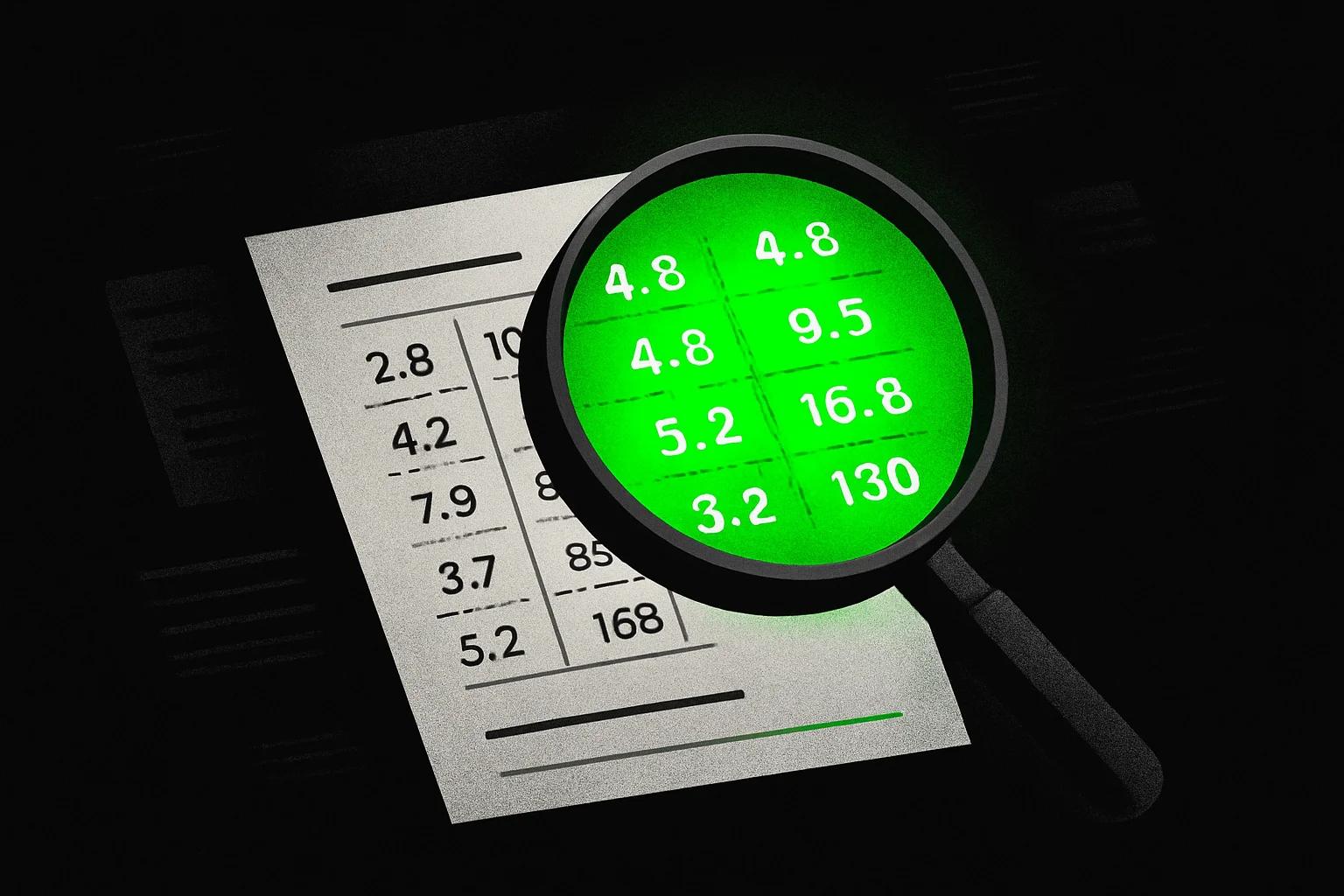
A Certificate of Analysis — COA — is the document an independent lab issues to confirm what's actually in a cannabis product. It is the difference between "trust us, this is 500 mg CBD" and a verifiable third-party test. Every batch of every product Cannabuben sells has one. This article walks through how to read one in under five minutes.
Find it first
A reputable brand lists the COA for each batch publicly — either as a QR code on the box, a PDF linked from the product page, or both. If the brand says "we're lab-tested" but won't show the report, treat that as a red flag. For our own products, every listing has a batch-specific COA accessible via our quality page.
Section 1: Product + lab identification
Top of the page should name the product, the batch / lot number, the testing lab, and the date tested. The batch number should match what's stamped on the bottle you received. The lab should be independent (ISO/IEC 17025 accredited where available), not the brand's own lab.
Section 2: Cannabinoid potency
This is the table that answers "is the CBD content what the label claims?" It'll list cannabinoids as a percentage or mg/g, and often include:
- CBD — the main active in most wellness products.
- THC (Δ9-THC + sometimes Δ8) — must be below the Schedule-0 trace limit for SA consumer CBD.
- Other cannabinoids — CBG, CBN, CBC, CBDA, CBDV. Their presence / absence tells you if the product is truly full-spectrum or effectively isolate.
Do the maths: mg per bottle = % × bottle volume. If the product claims 500 mg in 30 ml and the COA shows 1.5% CBD, that's 450 mg — 10% under the label. Acceptable in most jurisdictions is ±10–15%; larger drift is sloppy manufacturing.
Section 3: Pesticides
A pesticides panel screens for organophosphates, myclobutanil, and similar residues. Look for the phrase "PASS" or "ND" (not detected) against each tested compound. A few residues in micrograms are routine; anything above the action limit should trigger a batch rejection.
Section 4: Heavy metals
Standard panel includes lead, cadmium, mercury, arsenic. Cannabis is a natural bioaccumulator — it takes up metals from soil — so this screen matters. Trustworthy products test every batch and pass.
Section 5: Microbials and mycotoxins
Tests for bacterial (E. coli, Salmonella), yeast, mould, and aflatoxin contamination. Flower products can fail this more often than tinctures because of storage conditions. Tinctures that fail microbial testing are a manufacturing-hygiene red flag.
Section 6: Residual solvents (for extracts)
If the product was made by solvent extraction (ethanol, CO₂, butane), the COA should test for residual solvents. Ethanol and CO₂ extractions should show zero to low residuals; butane/propane extractions require particular care.
Red flags that invalidate a COA
- COA dated more than 12 months before your purchase
- Batch number on the COA doesn't match your bottle
- Lab name absent or not traceable
- Only cannabinoid potency shown; no safety panels
- Brand publishes one "example COA" for all batches (should be per-batch)
For more on why we treat lab verification as non-negotiable, see the Cannabuben quality page.