CBD vs THC — the practical differences
Two cannabinoids, very different effects and legal status. Here’s what matters practically.
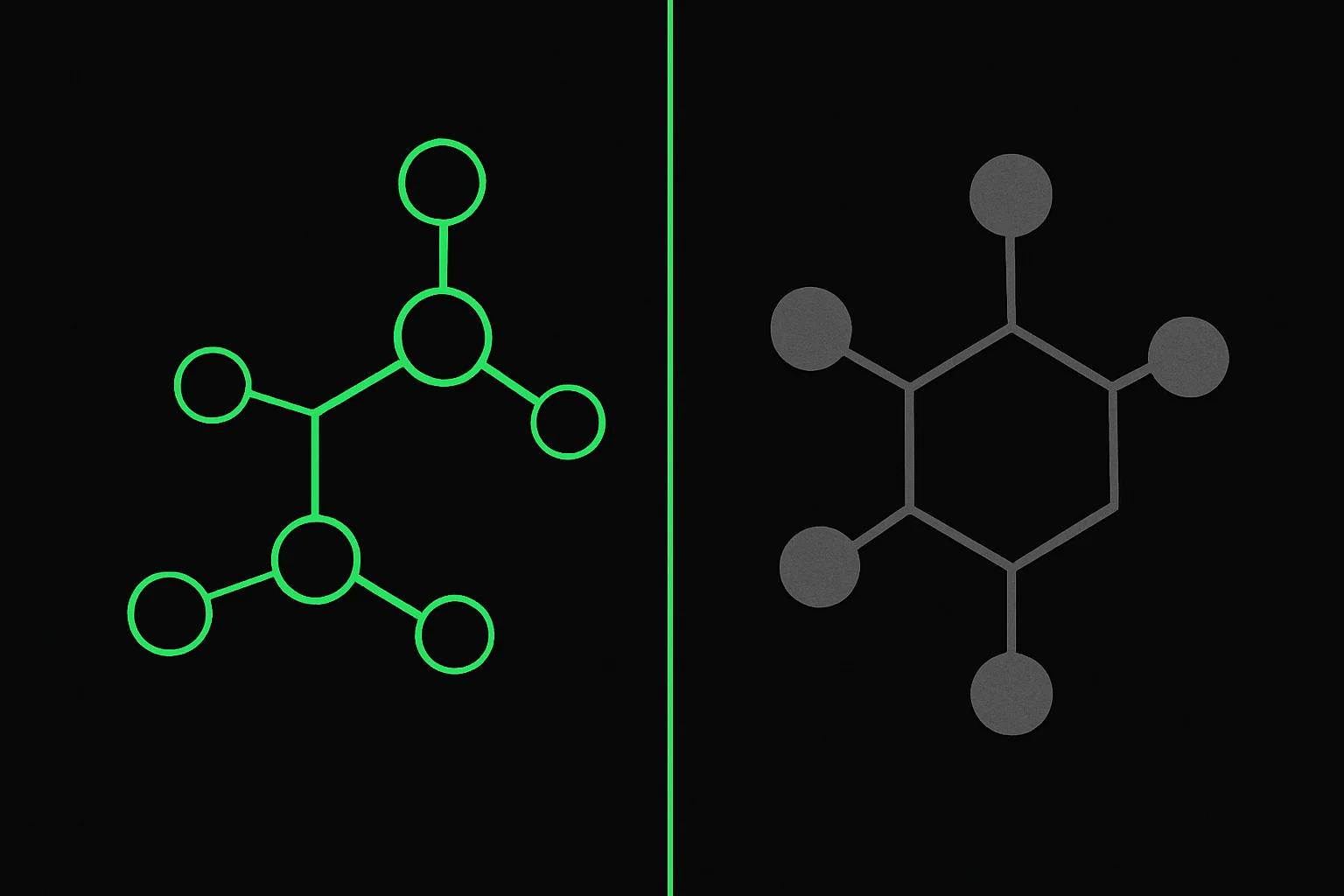
CBD (cannabidiol) and THC (tetrahydrocannabinol) are the two best-studied cannabinoids. They both come from the cannabis plant, but they behave very differently in the body and are regulated very differently in South Africa.
Psychoactivity
- CBD: not intoxicating at consumer-grade doses. Does not produce the "high" associated with cannabis.
- THC: intoxicating. Binds CB1 receptors directly, producing the characteristic effect. This is a feature for medical patients managing nausea, pain, or insomnia — and the reason THC sits under the scheduled-medicines framework.
Legal status in South Africa
- CBD: legal as a consumer health product under Section 22A(9), up to a daily dose threshold and below the THC trace. Sold without prescription.
- THC: a scheduled substance (S4 or S6 depending on form/dose). Medical access is via SAHPRA Section 21 with a HPCSA-registered doctor's prescription. See the Section 21 guide.
Typical uses
- CBD: sleep support, everyday calm, muscle recovery, general wellness.
- THC (medical): chronic pain, chemotherapy-induced nausea, severe insomnia, spasticity (MS), certain treatment-resistant epilepsies, appetite stimulation in palliative care.
Drug tests
Standard workplace THC tests look for THC metabolites, not CBD. Pure CBD products with compliant trace THC will not cause a positive on a normal test — but cheap or mislabelled products sometimes do. If drug-testing is a concern, buy from lab-tested sources with a current Certificate of Analysis.
Combining them
Many medical cannabis products use a CBD:THC ratio (e.g. 1:1, 2:1, 10:1). CBD moderates THC's intoxicating effects and appears to have an independent synergistic benefit in some indications — the so-called "entourage effect". Your reviewing practitioner chooses the ratio appropriate to your case.